
What Is Radon, and Should You Test for It?
A colourless, odourless radioactive gas that every home has some of. What the numbers mean, when a test kit is the wrong tool, and where it sits relative to a home inspection.
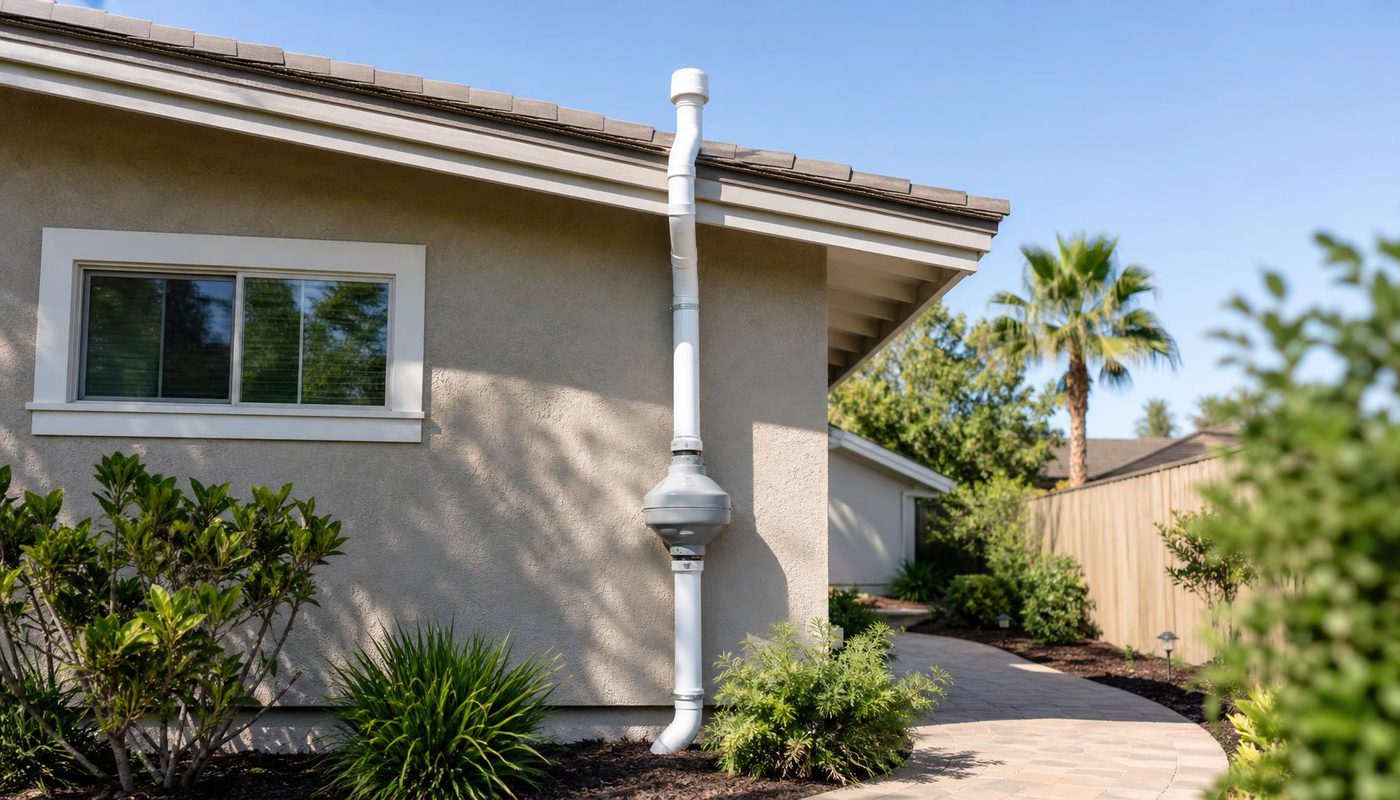
Radon is the one home hazard that gives you no warning at all. It has no colour, no smell and no taste, it produces no immediate symptoms, and a house can hold elevated levels for years without anyone suspecting. That is the entire reason it gets talked about.
What it actually is
Radon is a naturally occurring radioactive gas, part of the decay chain of uranium in soil. It is inert, invisible and everywhere at some level - it seeps up out of the ground and into buildings.
It is also a Class A carcinogen and the second leading cause of lung cancer. Around ten percent of annual lung cancer deaths are attributed to radon exposure.
The mechanism is slow. Radon decays into particles that can lodge in the lungs when you breathe; as those break down further they release small bursts of energy that damage lung tissue. There is no acute reaction, no bad smell, no headache. The gap between exposure and disease can be decades, and not everyone exposed will develop cancer. Which is precisely why it goes unaddressed - nothing about it feels urgent.
Does my house have it?
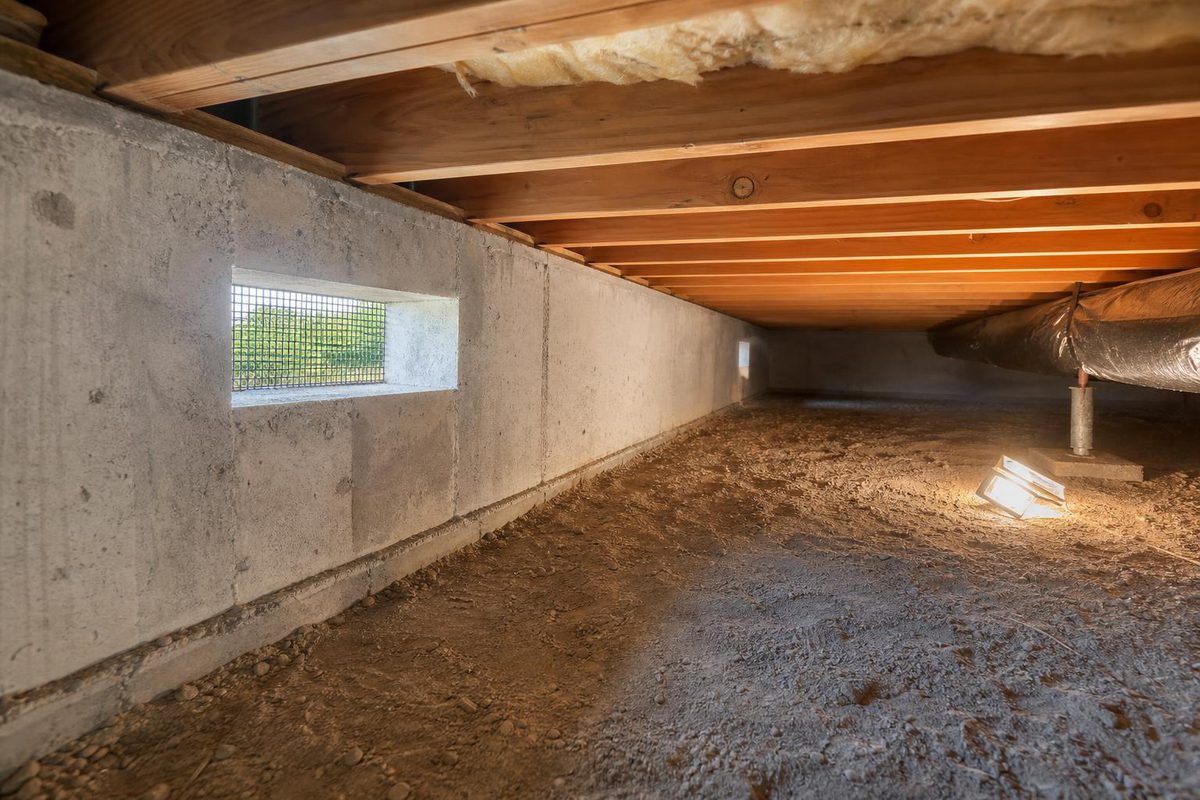
Yes. Every home has some radon - old or new, large or small, over a basement, a crawlspace or a slab. There is no construction type that is exempt.
The question is never whether radon is present. It is whether the level is elevated, and the only way to know that is to measure it.
What the numbers mean
Radon is measured in picocuries per litre, written pCi/L.
| Level | What it means |
|---|---|
| 0.3 pCi/L | Typical outdoor air |
| 1.3 pCi/L | The average indoor level across US homes |
| Under 2.0 pCi/L | Considered ideal |
| Up to 3.9 pCi/L | Considered acceptable |
| 4.0 pCi/L and above | EPA recommends taking action to reduce it |
As with any carcinogen, lower is better - there is no level at which the risk becomes zero, and 3.9 is not a target to aim for.
How it gets measured
Two broad approaches, and the difference matters more than people expect.
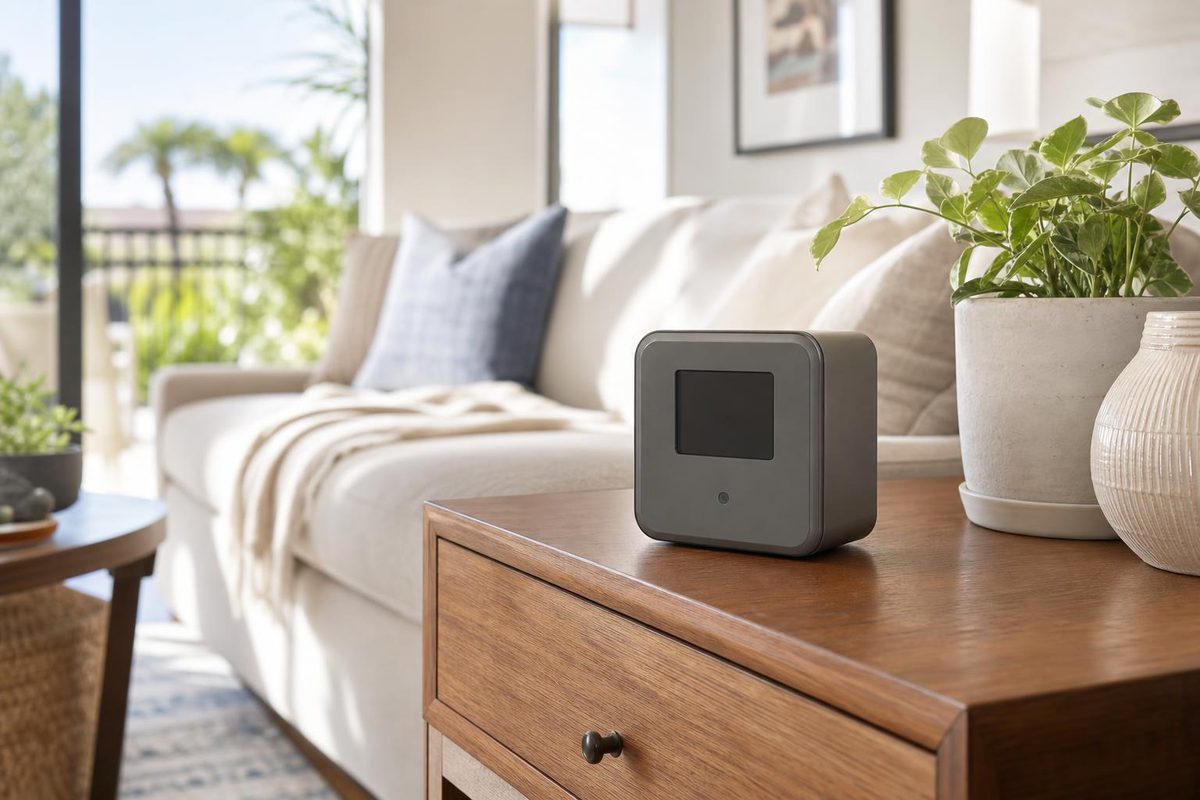
A continuous radon monitor logs hourly levels over a testing period and reports the average, with a reading available immediately rather than after a lab turnaround. Because it records hour by hour, it also documents interference - if the monitor is moved, bumped, or loses power, that shows up in the record.
A homeowner test kit is a passive device you place and then send away for analysis.
Both have a place, and the important thing is knowing which:
- A test kit is a perfectly good choice if you are testing your own home out of interest, or doing a periodic check.
- A test kit is not appropriate for a real estate transaction - buying or selling. Where money and a contract depend on the number, you want a monitored, tamper-evident measurement.
- A test kit is also a poor choice for the first test after a mitigation system has been installed, for the same reason.
The monitors themselves are safe around children and pets. They emit nothing; they are a specialised counter that measures radiation already present.
If the level comes back high
Every home can be fixed. Elevated radon is a ventilation and pressure problem, not a structural verdict on the house, and the remedy is a mitigation system. A licensed radon mitigation professional will specify the right approach for the building.
It is worth saying plainly that a high reading is not a reason to walk away from a house. It is a cost to price in, and usually a modest one against what it prevents.
Where this sits relative to a home inspection
A home inspection is a visual, non-invasive examination of the structure and its systems - what can be seen and safely reached on the day. Radon is a gas at parts-per-trillion concentrations. It cannot be seen, and it is not something an inspection measures.
Radon measurement is a separate, instrumented service, performed by someone certified to do it. If radon testing matters for your purchase, arrange it alongside the inspection rather than expecting the inspection to cover it, and give it enough time inside your contingency period - a proper measurement runs over a period, not a moment.
Our radon FAQ goes into more detail on the health side.
For the inspection itself, call (714) 371-8422 or request one online. Published starting prices are on the pricing page.