
What Is a California Home Inspection?
What a home inspection covers, why buyers and sellers both order one, and what the report is actually good for once you have it.
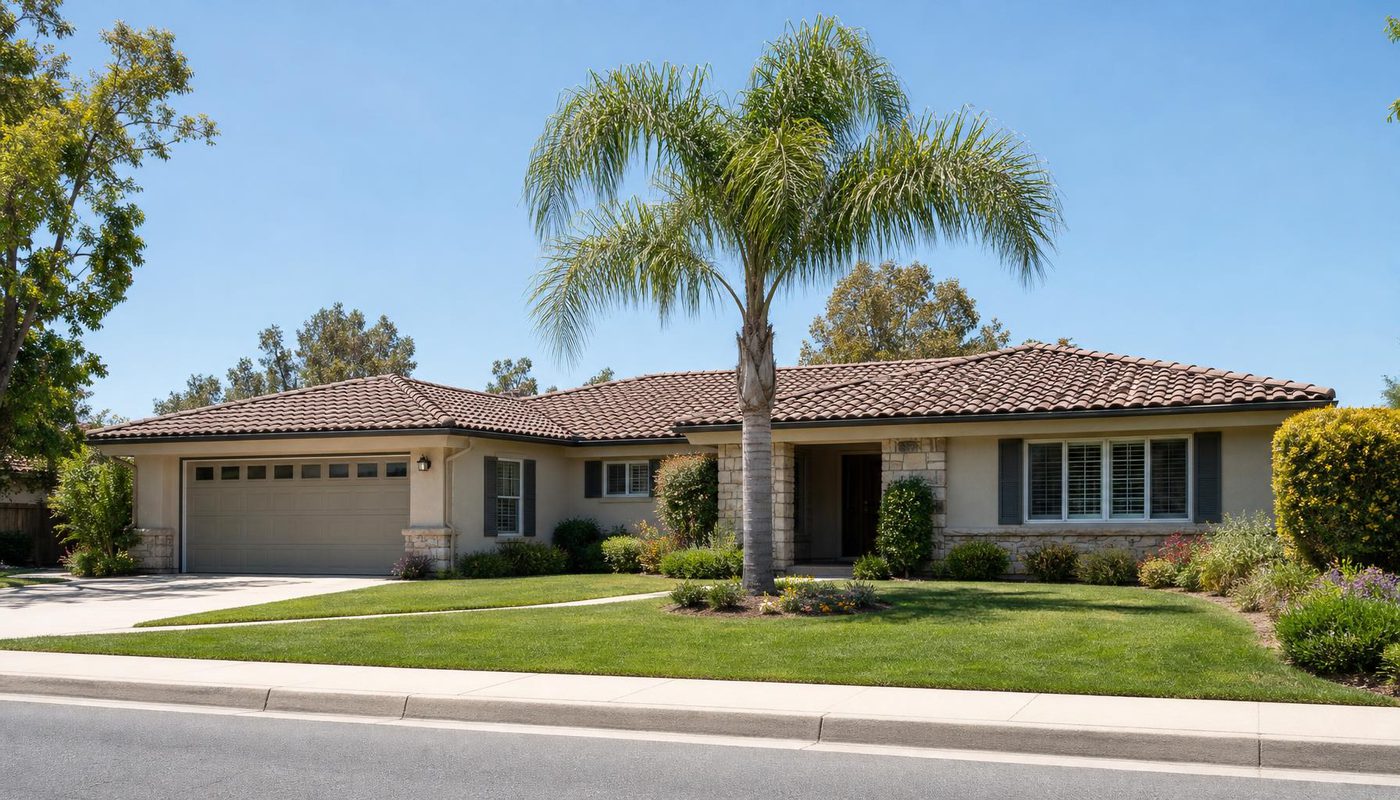
"Home inspection" gets used loosely enough that people arrive with quite different expectations of it. Here is what it is, and what it is for.
What a home inspection is
It is a visual, non-invasive examination of the condition of a property, from roof to foundation. It is not a process in which every inch of the house is taken apart and examined - the scope is genuinely limited, and it is limited on purpose. What it covers is what can be seen and safely reached on the day of the visit.
Within that scope, the inspector works to a standard rather than an impression, and uses tools that extend what is visible, including infrared imaging where surface temperature will show what the eye cannot. Afterwards you get a written report: what was examined, what appears to be a problem, what may become one, and what should be done about each.
A home inspection is not an appraisal, which sets market value, and not a municipal code inspection, which verifies compliance with local codes. No house passes or fails one.
Why buyers order one
Because it is the only part of the transaction that is about the building rather than the price.
The inspection covers the physical structure and the systems that make the house work. Outside: roof, grading and drainage, walls, foundation, and structures like the garage or carport. Inside: plumbing, water heating, heating and cooling, the electrical system, and the rooms and fixtures themselves. The full list of what is inspected is published.
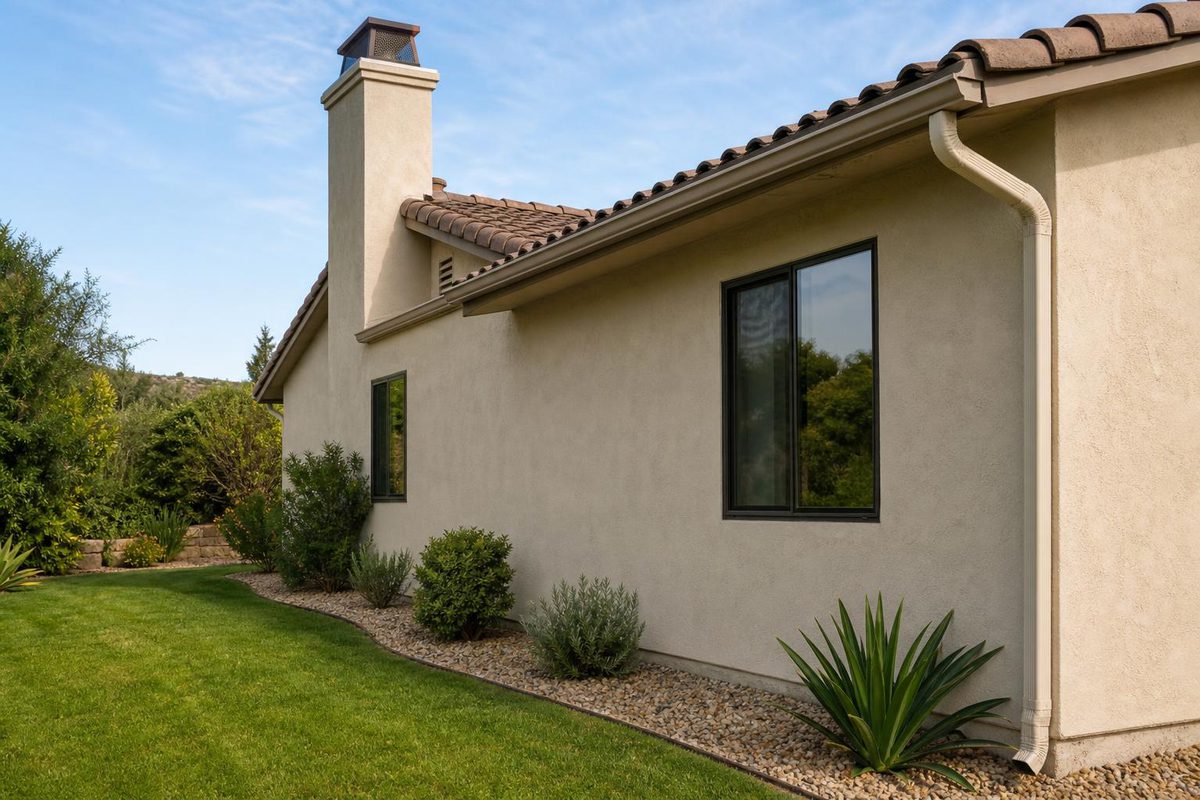
You get one more thing that is easy to overlook: an idea of how much life the major components have left. That is what turns a report from a negotiating document into something you can still budget from two years after the sale closes.

Why sellers order one
A seller has disclosure obligations, and an inspection helps meet them accurately rather than optimistically. It also tells you what a buyer's inspector is going to find, which is a much better time to learn it than during a renegotiation. And it gives you a defensible basis for the asking price.
What the report is worth to a buyer
Concretely: leverage and choice.
No house is perfect, and a report full of findings is not an argument against buying. What it gives you is the standing to ask the seller to make repairs, to ask for a credit or a price reduction instead, or - if what it turns up is bad enough - to walk away.
That last option depends on something outside the inspection: check that your purchase agreement actually preserves your right to cancel on the findings, and order the inspection early enough in the contingency period to use it. An inspection you receive the day before the contingency expires has told you the truth and left you nowhere to put it.
Ingraffia Home Inspections has been inspecting across Orange County since 2003. Inspections start at $500 for a single family residence; the rate card is published. Call (714) 371-8422 or request an inspection.