
What Do Home Inspectors Look For?
A walk through what actually gets examined during a home inspection, area by area, and what the inspector is looking for in each one.
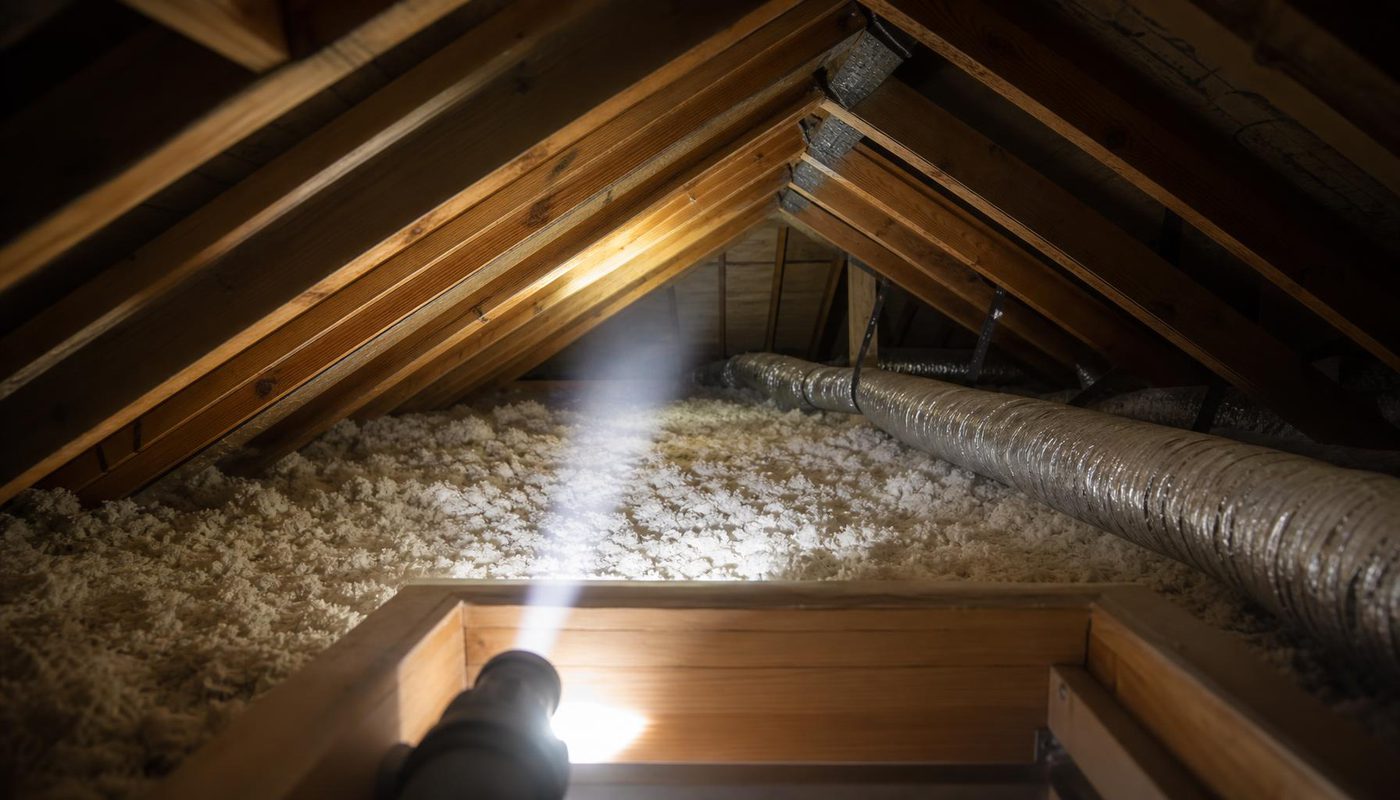
People often picture an inspection as either more or less than it is: a forensic teardown of the whole house, or a quick walk-through with a clipboard. It is neither. It is a systematic visual examination of the structure and its systems, worked through in a fixed order, with everything of note written down.
Here is that order, and what the inspector is actually looking for at each stop. The full published list runs to 40 items.
Grounds
Not landscaping for its own sake - drainage. The single most common expensive problem in a house is water that had somewhere to go and went there.
The inspector checks grading for evidence that water runs away from the foundation rather than toward it, and looks for soil settlement, erosion near the foundation and signs of standing water. Driveways, walks and patios are checked for settlement and improper slope. Fences, walls and gates for deterioration and operation. Irrigation for leaking valves and heads spraying at the structure. And trees: branches touching the roof, roots under foundations and flatwork.

Exterior
Roof coverings and flashings, pipe collars, vents and the condition of the deck - plus an estimate of remaining life, which is the part you budget from. Walls are checked for chipping and flaking paint, settlement and shrinkage cracking, and soil sitting against the weep screed. Chimneys for flashing, cap, spark arrester and flue condition. Garages for firewall separation, opener safety features, GFCI protection and water damage.
On homes built before 1978, exterior paint may contain lead. That is noted rather than tested.
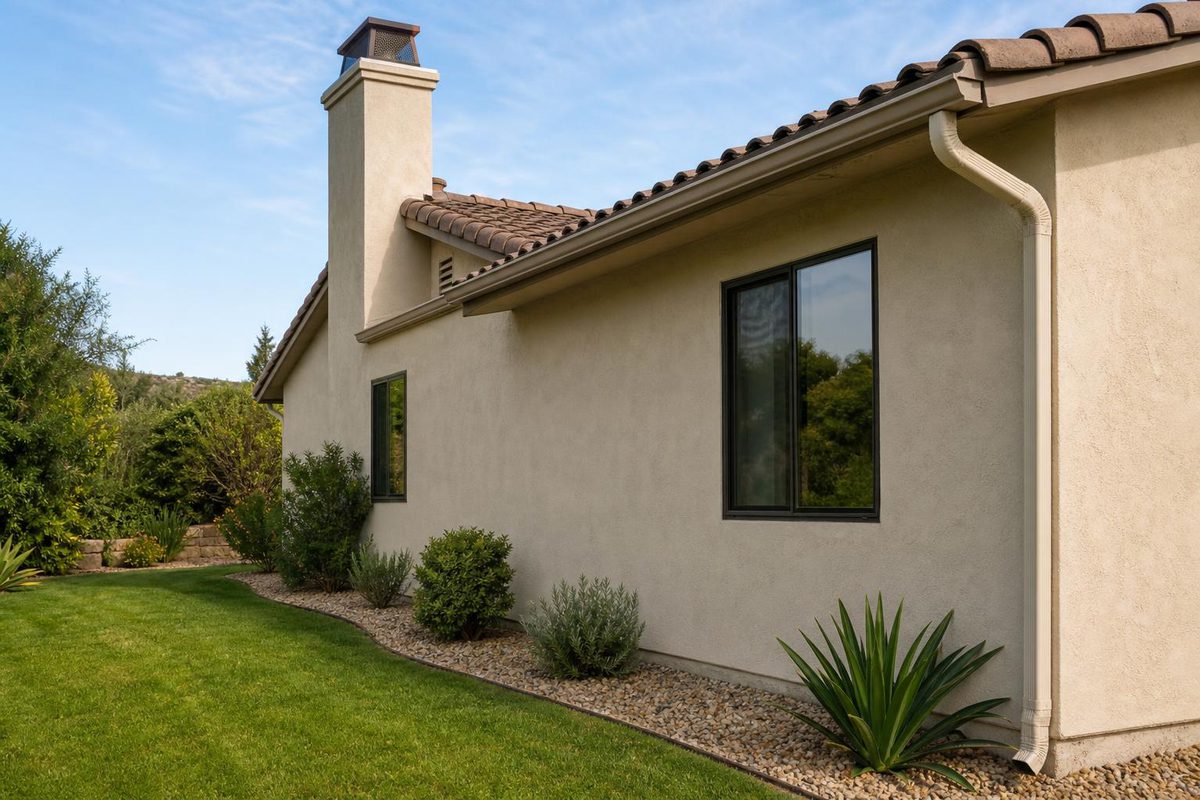
Utilities
Water pressure, plumbing type, visible leaks. The electrical service: panel opened and breakers tested, service wires inspected, outlets checked for correct polarity, GFCI protection tested. Gas meter and service checked for leaks. The water heater for operation, strapping, shut-offs and pressure relief piping. Heating and cooling both operated - furnace, thermostat, condensing unit, lines and duct work.
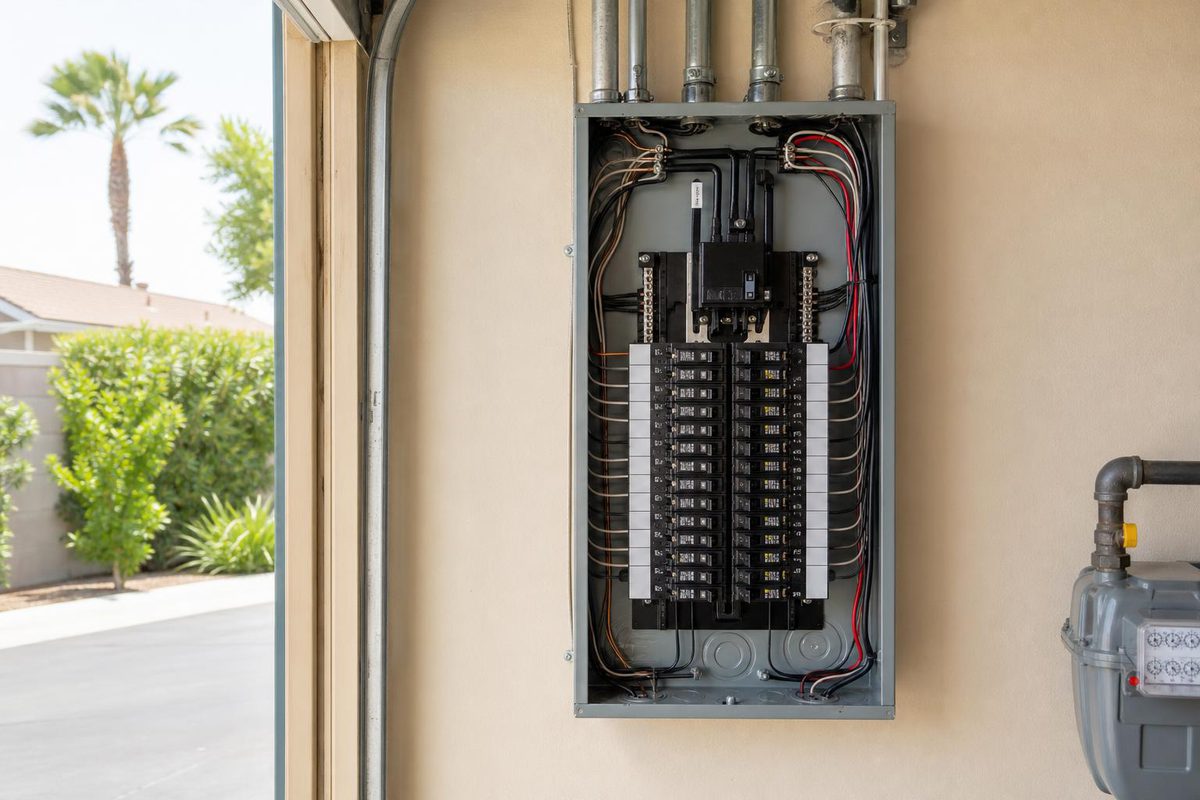
Interior
Structure where visible, walls, ceilings and floors, doors, windows and sliding glass doors, stairways, fireplaces, and the attic for moisture, mold, mildew and ventilation.
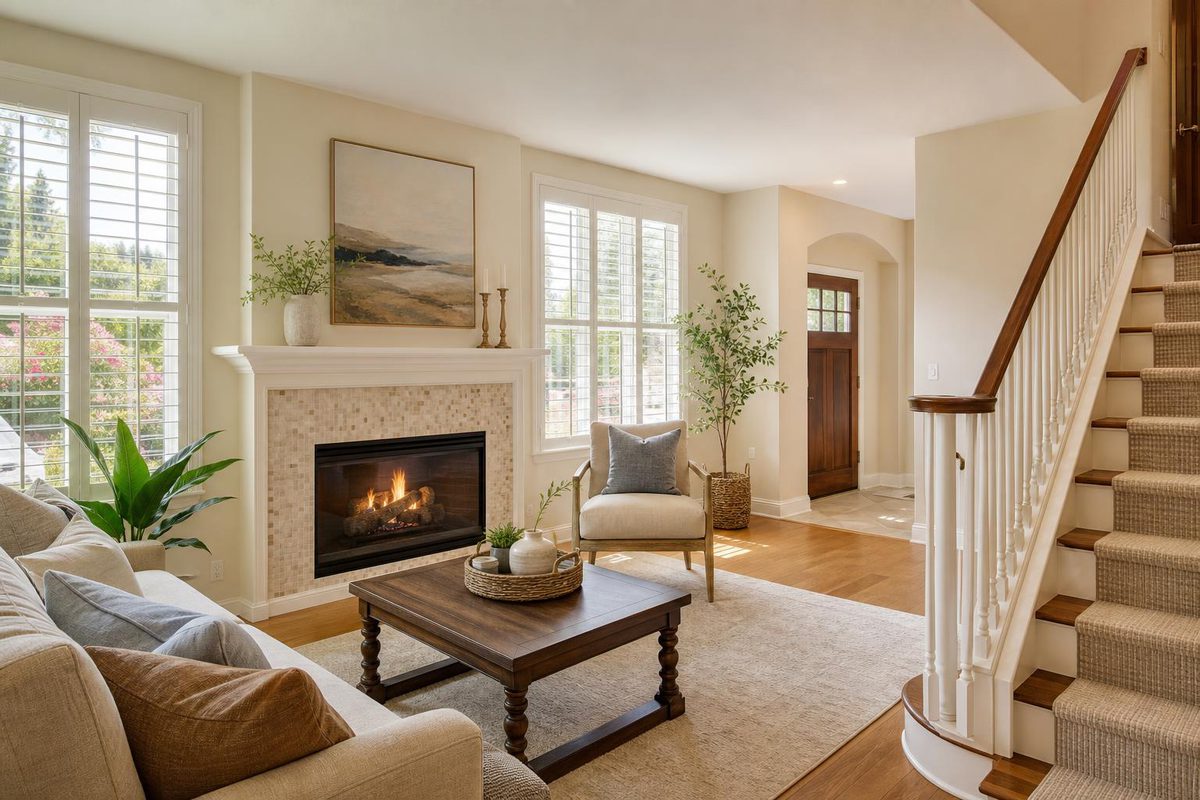
Kitchen and bathrooms
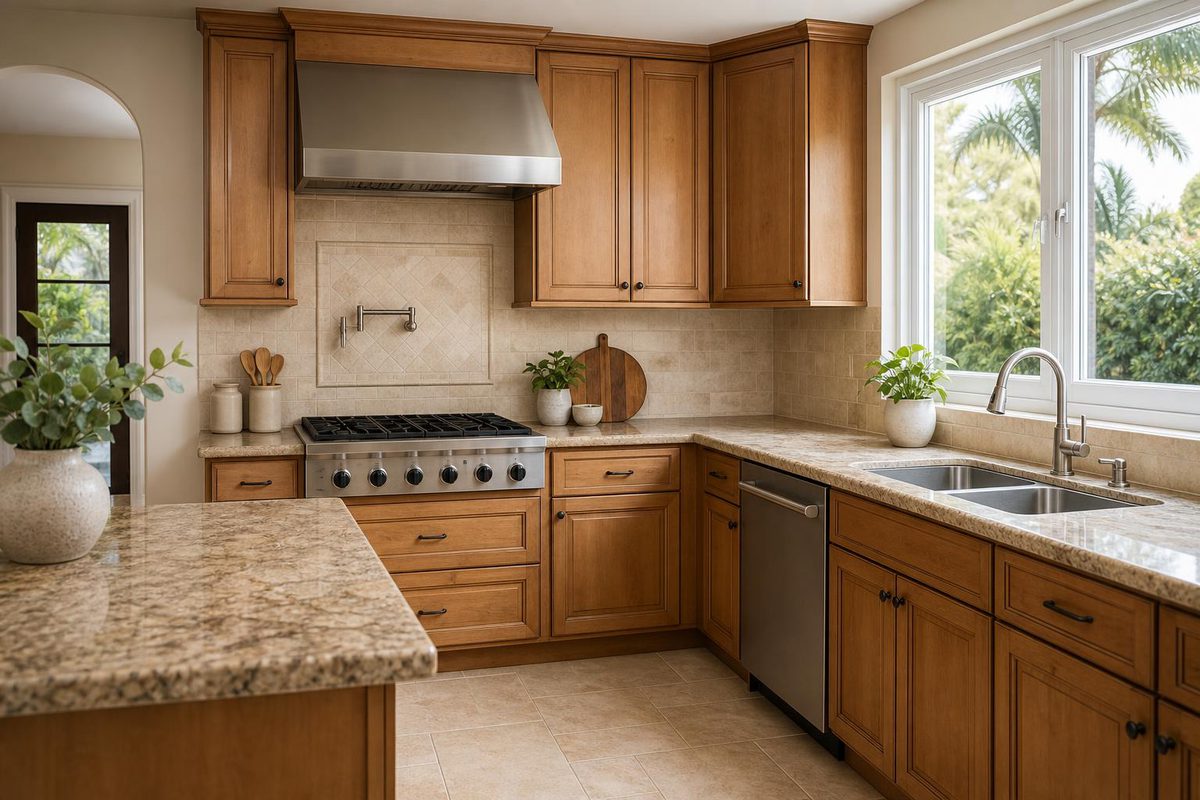
Appliances, cabinets and counters, and the plumbing and electrical behind them. In bathrooms: tubs and showers, toilets, outlets and GFCI protection, and the condition of floors, walls and ceilings - which is usually where a slow leak announces itself first.
What the inspector is not doing
An inspection is visual and non-invasive. It covers what can be seen and safely reached on the day. Nothing is opened up, and nothing behind a finished surface is guaranteed. Where a visual check will not settle a question, thermal imaging can narrow it down by reading surface temperature - but an anomaly on camera is a reason to look further, not a diagnosis.
It is also not an appraisal and not a municipal code inspection. No house passes or fails.
Come along if you can
You are not required to attend, and it is worth making the time anyway. Questions asked standing in front of the thing get better answers, and the written report reads very differently once you have walked the property with the person who wrote it.
Call (714) 371-8422 or request an inspection.