
FLIR Imaging
What an infrared camera adds to a home inspection, what it cannot do, and how to use what it finds while you still have room to negotiate.
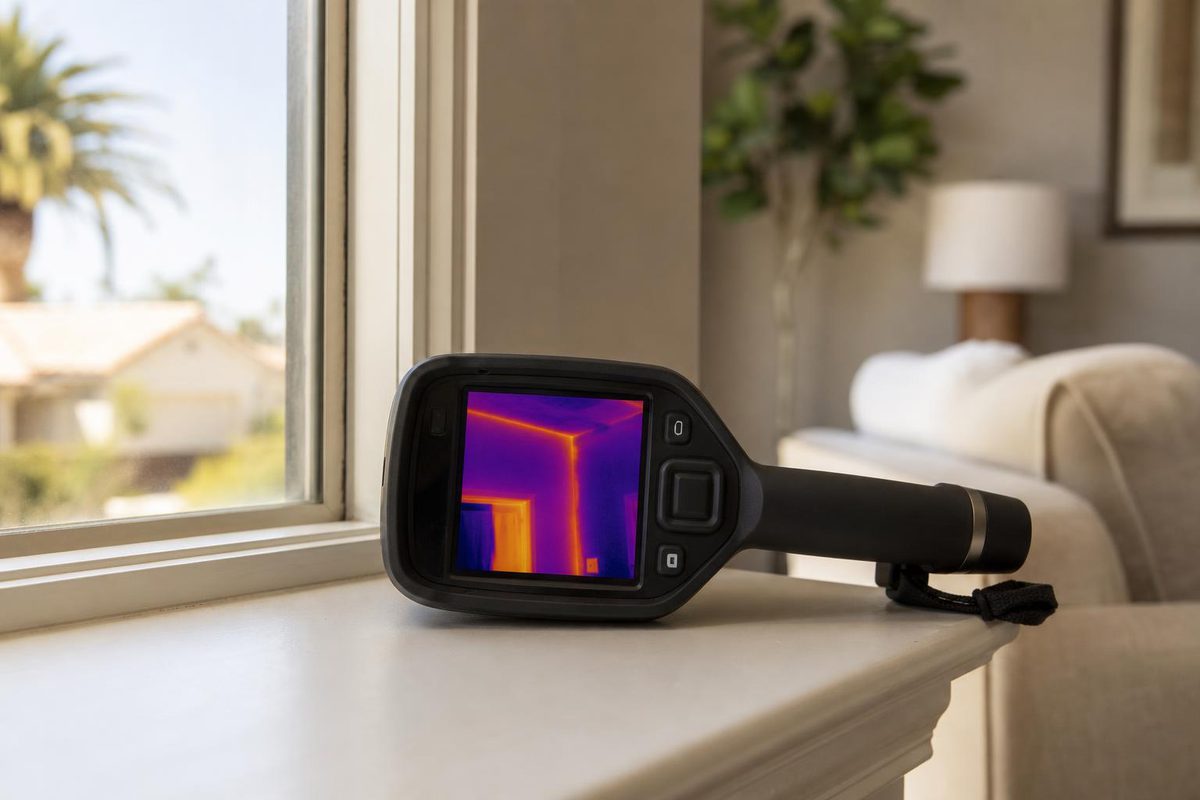
You are buying a house, and you have the seller's word for its condition. A home inspection is how that stops being something you take on trust. An infrared camera is one of the tools that widens what the inspection can see.
Ingraffia Home Inspections has been inspecting across Orange County and Southern California since 2003. Call (714) 371-8422 or request an inspection.
What the camera actually sees
Not through walls. An infrared camera reads surface temperature, and the patterns in it are often the only visible trace of something behind a finish. On an inspection that is useful for:
- Moisture intrusion in walls and ceilings, including damp that has not yet stained or blistered anything
- Missing or damaged insulation, which reads as cold or warm patches across an otherwise even surface
- Air leaking in and out around openings and penetrations, and leaking duct work, which is conditioned air you are paying for and not keeping
- Electrical connections running hot compared with the ones beside them
- Roof leaks, tracked back from where the water finally shows up
The thermal imaging page covers the applications in more detail.
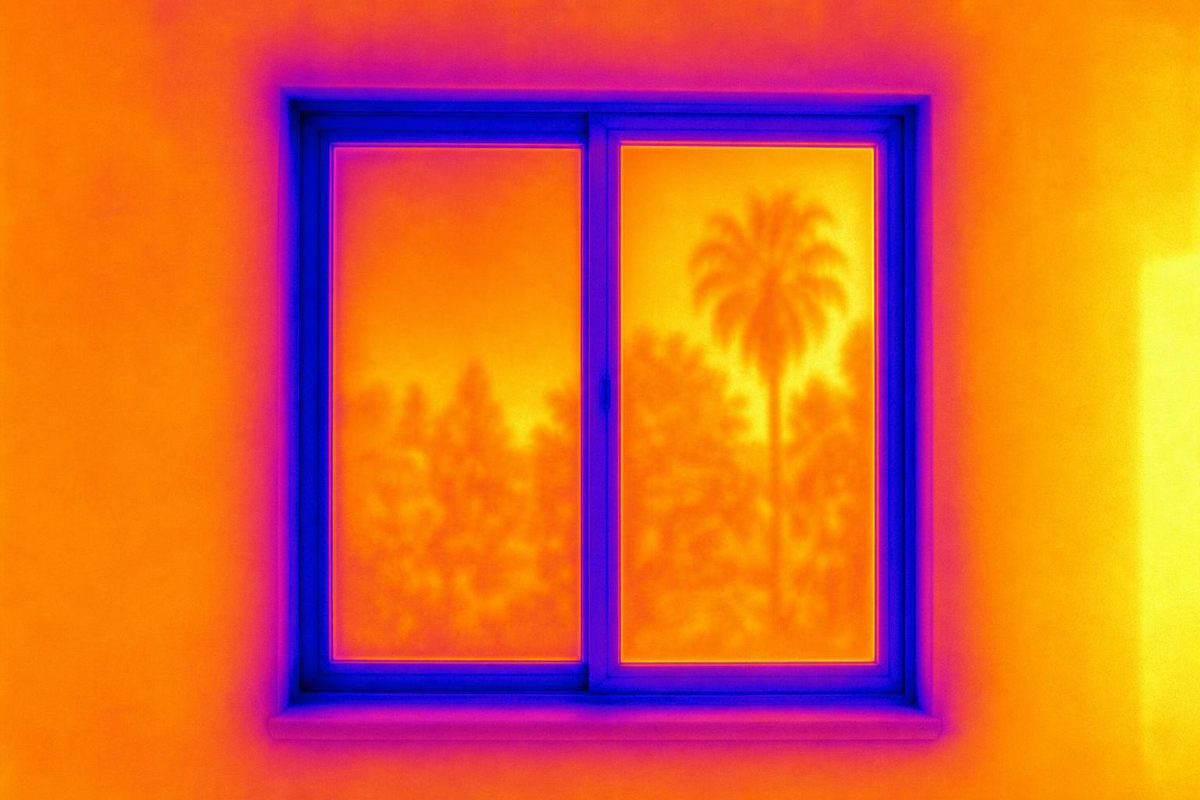
What it does not do
It does not replace the inspection, and it does not turn a visual examination into an invasive one. An inspection is still limited to what can be seen and safely reached on the day, and an anomaly on camera is a reason to look further, not a diagnosis. Used properly it converts a vague suspicion into a specific question for the right specialist, which beats both guessing and opening up a wall to find out.
Things worth noticing yourself
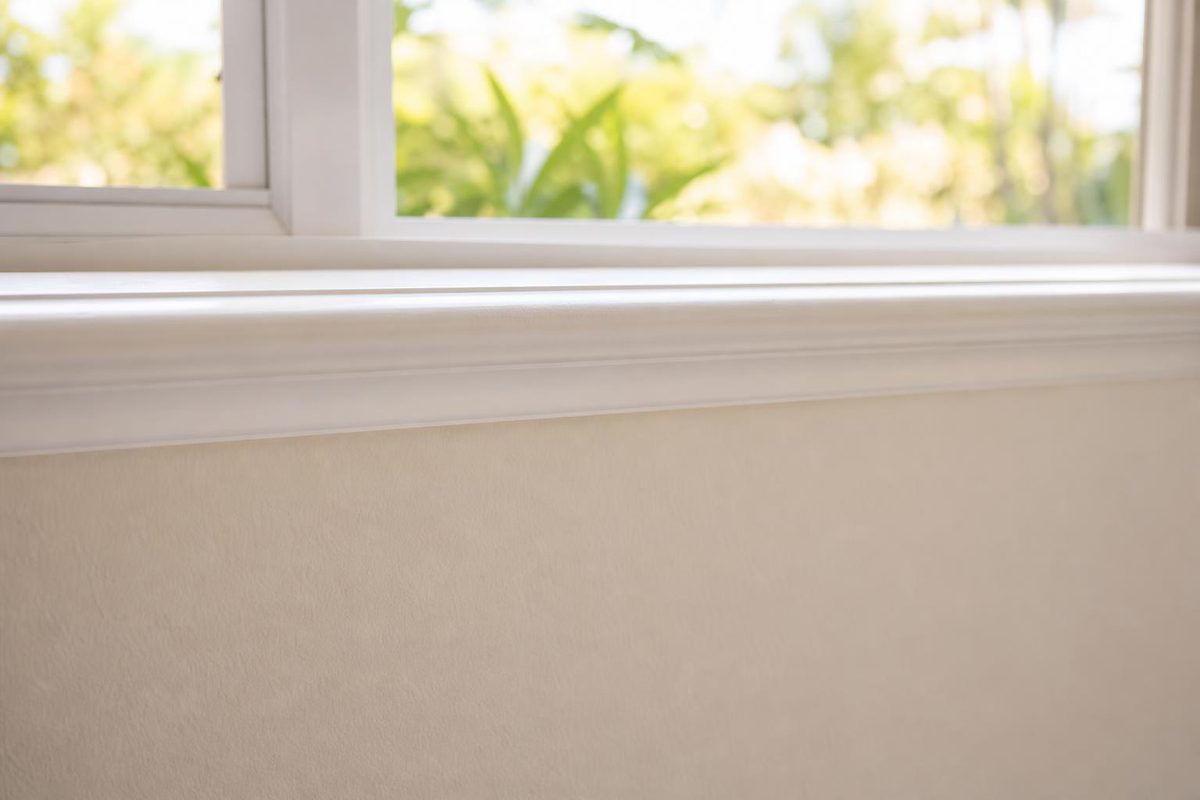
You do not need a camera to spot the start of this. On a walkthrough, look at window sills and the wall directly below them for current or previous moisture marks. Staining there can point to a problem with how the window is sealed or flashed, and what shows on the surface is often the smaller half of it.
Use the findings while they are still worth something
If the inspection turns up leaks or damage, that is information with a shelf life. Inside the contingency period you can ask the seller to repair the item, ask for a credit, or negotiate the price. If repairs are done, having them done by a contractor you chose is worth insisting on.
What you should not do is assume the cost will be small because the symptom looks small. That assumption is the expensive one, and it is the specific thing an inspection exists to replace with a number.
Call (714) 371-8422 to book, or see the published rate card.